
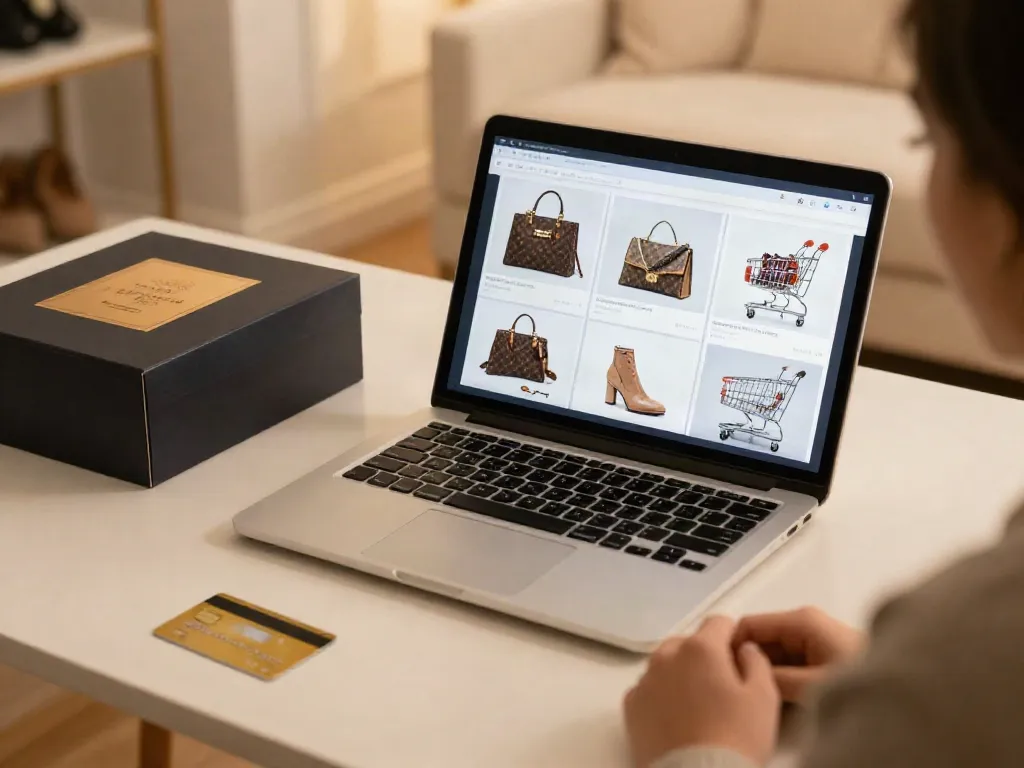
Understanding the Landscape of Buying Replicas
As the fashion industry continues to evolve, the popularity of replica products has surged. Consumers are increasingly looking for affordable alternatives to high-end designer items, leading to a growing market for quality replicas. However, navigating this landscape requires careful consideration and informed choices to avoid scams and ensure satisfaction with purchases. When exploring options, Buy Replica Online offers comprehensive insights into making informed purchases in this space.
1. What to Look for in Quality Replicas
High-quality replicas should closely resemble the original products in both appearance and materials used. Key aspects to consider include:
- Material Quality: Premium replicas will use comparable materials to the originals, ensuring a similar look and feel.
- Craftsmanship: Attention to detail in stitching, logos, and overall design is crucial. Inspect product images for consistency and accuracy.
- Brand Authenticity: Look for replicas that have authentic branding but are distinctly marked as replicas to avoid legal issues.
2. Identifying Trusted Sellers
With countless sellers online, identifying a trustworthy retailer is vital. Consider these tips:
- Established Reputation: Choose sellers with a long-standing positive reputation and customer service history.
- Customer Reviews: Analyze customer feedback for insights into product quality and service reliability. Authentic reviews can greatly influence your buying decision.
- Secure Payment Options: Ensure that the website offers secure payment gateways to protect your financial information.
3. Recognizing Red Flags in E-Commerce Sites
Purchasing from less reputable sites can lead to disappointing experiences. Some signs to watch out for include:
- Unprofessional Website Design: Poorly designed websites can indicate a lack of attention to detail or investment in the business.
- Lack of Contact Information: Reputable sellers typically include several options to reach customer support.
- Excessively Low Prices: If a deal seems too good to be true, it may indicate inferior quality or a potential scam.
Price Comparisons: Are You Getting a Good Deal?
Understanding the price landscape for replica products is crucial in determining the best options. Here’s how to assess pricing effectively:
1. Understanding Price Ranges for Replicas
Most quality replicas may range from 30% to 70% of the original price, depending on the brand and complexity of the item. It is essential to compare prices across various sellers to identify the average market rate.
2. How to Compare Prices Effectively
Leverage tools and websites that compile prices from different sellers. Utilize customer reviews and ratings as a guide to evaluate whether the pricing corresponds to quality.
3. Signs of Overpricing or Low Quality
Be cautious of prices that appear exorbitantly high compared to average market prices, which can indicate either a dilution of quality or an attempt to capitalize on consumer naive behavior.
Shipping Options and Their Impact on Your Purchase
The shipping policy of your chosen retailer can greatly influence your overall satisfaction and spending. Here’s what to consider:
1. Good Shipping Practices for E-Commerce
Reliable sellers generally provide a range of shipping options, including express and standard delivery, with detailed tracking information.
2. Understanding International Shipping Policies
If you plan to purchase from international sellers, familiarize yourself with customs duties, potential delays, and the seller’s specific international shipping policies.
3. How Shipping Costs Can Affect Total Price
Be aware that high shipping costs can escalate the final amount significantly. Look for sellers who offer free shipping or comprehensive discounts on shipping to ensure your purchase remains budget-friendly.
Return Policies: An Essential Buyer’s Guide
Having a clear understanding of return policies is necessary for any online purchase, especially for replicas. Here’s what constitutes a good return policy:
1. What Makes a Good Return Policy?
A good return policy should allow returns within a reasonable timeframe—typically 30 days. It should be straightforward, without excessive conditions that make returning an item difficult.
2. Risks Involved with Non-Returnable Items
Buying non-returnable replicas can be quite risky as dissatisfaction might lead to financial loss. Ensure you understand the return policy before making any purchases.
3. How to Secure Your Purchase with Buyer Protection
Utilize platforms that offer buyer protection guarantees, which can include refunds or exchanges if the product does not meet expectations.
Leveraging Customer Reviews and Social Proof
In today's digital landscape, customer reviews act as powerful tools for evaluating purchases. Here are some insights on effectively utilizing them:
1. Navigating Fake Reviews and Testimonials
Some sites may post fabricated reviews. Look for verified purchase tags or reviews on external platforms for authenticity.
2. Authentic Reviews: Where to Find Them
Utilize platforms and social media to gather unbiased opinions about products. Websites like Trustpilot or forums can provide honest insights.
3. Using Reviews to Inform Your Decisions
Aggregate feedback to identify common themes regarding quality, service, and product reliability. This can guide your purchasing decisions significantly.
FAQs
1. Is it safe to buy replicas online?
Buying replicas can be safe if you do thorough research on sellers and ensure they have a positive reputation.
2. What are the best websites for purchasing high-quality replicas?
Several online platforms have earned favorable reputations for their product quality and reliable service, such as Buy Replica Online.
3. How can I spot a scam when buying replicas?
Be vigilant of too-good-to-be-true deals, poor website design, and the absence of solid customer support, which can all indicate potential scams.